I often find myself wondering about the state of our world and how we can make a positive impact. One issue that stands out to me is the global food system and its impact on our environment. That’s why I believe that billionaires have the power to make a huge difference by investing in growing food locally.
The current food system relies heavily on industrial agriculture, which often leads to environmental degradation, deforestation, and the use of harmful pesticides and fertilizers. This not only harms the planet but also impacts the health and well-being of individuals and communities. 
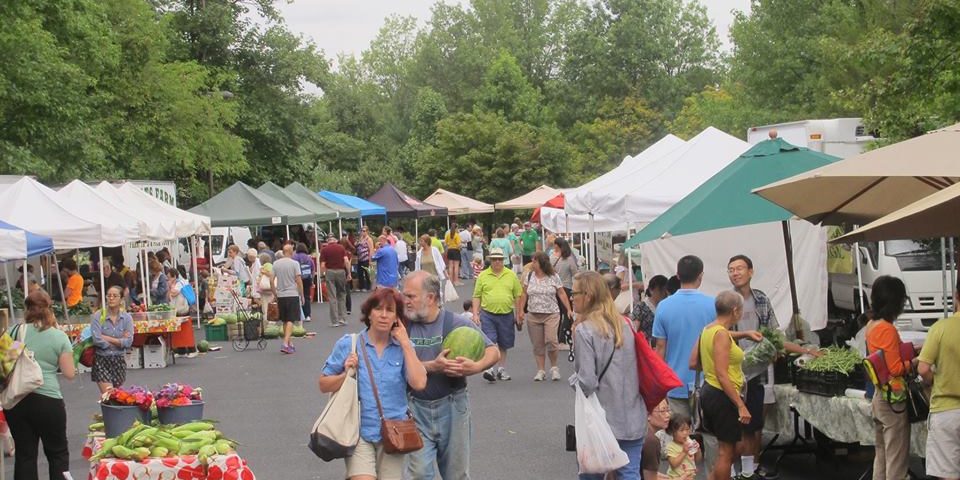
By investing in local food production, billionaires can help shift the focus towards sustainable and regenerative farming practices that promote biodiversity, soil health, and the conservation of natural resources. This would not only benefit the environment but also support local economies and communities.
When communities become producers of their own food, they are no longer reliant on large-scale industrial agriculture and can create a more resilient and self-sustaining food system. This can lead to greater food security, as well as opportunities for entrepreneurship and job creation.
Furthermore, investing in local food production can promote healthier and more diverse diets, as communities can grow a wider variety of fruits and vegetables, and reduce their reliance on processed and packaged foods that contribute to health problems like obesity, cancer, and diabetes.
Billionaires can play a crucial role in supporting this shift towards local food production by investing in small-scale farmers and food-producing entrepreneurs (grown without the use of poisons), providing funding for research and development of sustainable agriculture practices, and supporting policy changes that promote local food systems.
In conclusion, as a human concerned about the state of our world, I believe that billionaires can make a huge impact by investing in local food production. By shifting towards sustainable and regenerative farming practices, communities can become producers instead of consumers, leading to a healthier, more resilient, and more sustainable food system for all.