From organic produce to community resilience, explore how this transformation positively impacts both you and your surroundings.
In an increasingly interconnected world where environmental concerns and sustainability are taking center stage, the concept of transforming your property into a self-sustaining regenerative food forest and edible landscape is gaining traction. Beyond the personal benefits of enjoying fresh produce and beautiful outdoor space, this practice holds profound advantages for your entire community and the environment. Let’s explore why embracing this transformative journey can bring positive change to everyone around you.
Mitigating Food Deserts and Promoting Food Security for Everyone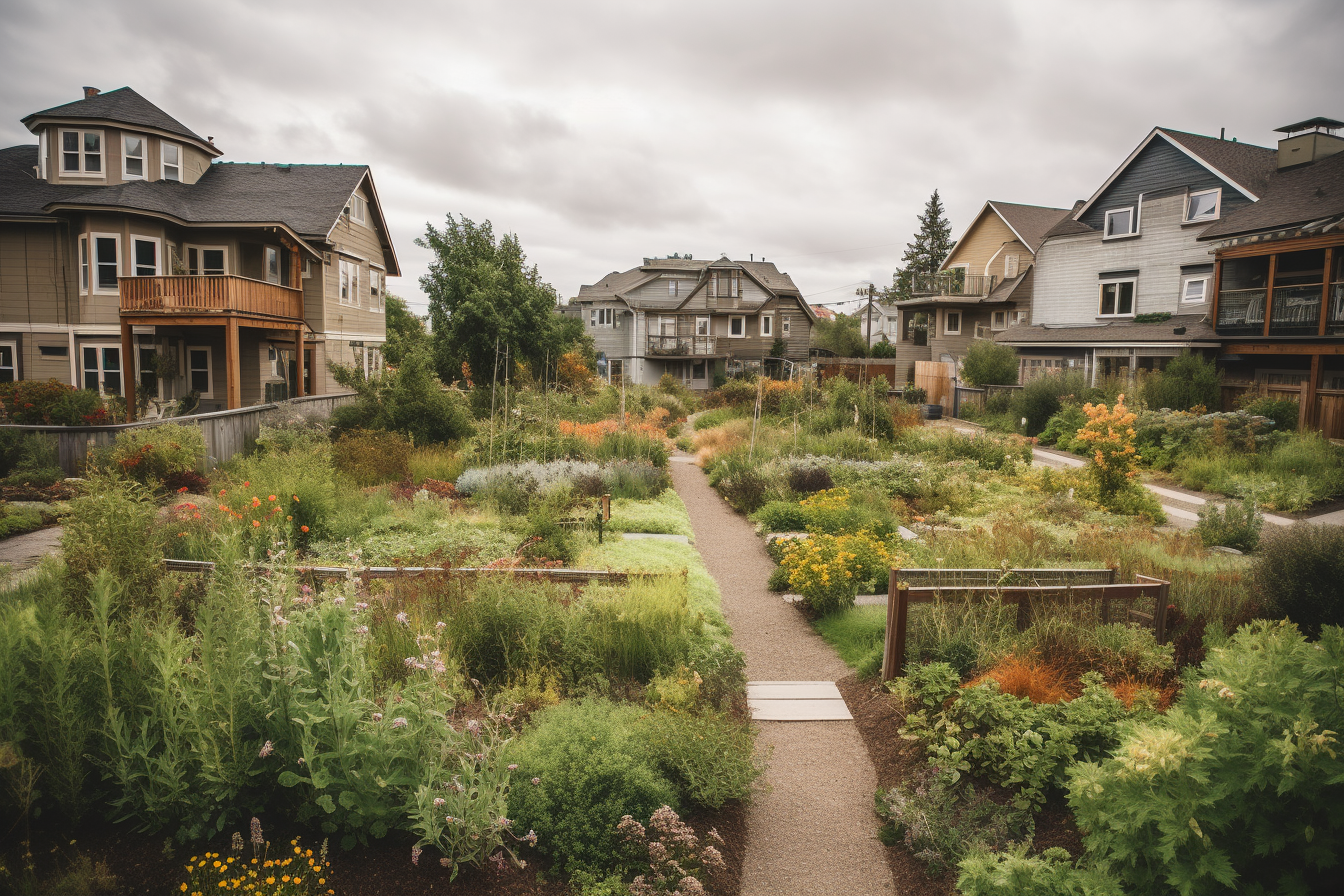
1. Nurturing Biodiversity:
A self-sustaining regenerative food forest mimics the structure and diversity of natural ecosystems. By integrating a variety of plants, trees, shrubs, and herbs, you create a haven for pollinators, birds, and beneficial insects. This boosts biodiversity and enhances the overall health of the local ecosystem, contributing to the preservation of native species and ecosystem balance.
2. Providing Fresh, Organic Food:
Imagine plucking sun-ripened fruits, crisp vegetables, and fragrant herbs right from your backyard. A regenerative food forest offers a year-round harvest of organic produce, reducing your reliance on commercial agriculture and lowering your carbon footprint. Sharing your bounty with neighbors and friends fosters a sense of community and promotes healthier eating habits.
3. Building Resilience:
In a world of climate uncertainty, regenerative landscapes offer resilience. Diverse plant species are better equipped to withstand extreme weather events and changing climatic conditions. Your food forest can help mitigate soil erosion, retain water, and even moderate temperature, creating a microclimate that benefits your property and the surrounding area.
4. Addressing Food Security and Equity:
Food deserts—areas with limited access to fresh, nutritious food—are prevalent in many communities. By transforming your property, you contribute to the availability of local, healthy food options. Sharing surplus produce with local food banks or community programs helps address food insecurity and promotes equal access to nourishing meals.
5. Reducing Environmental Impact:
Commercial agriculture often involves extensive pesticide use, long transportation routes, and excessive water consumption. By embracing regenerative practices, you eliminate chemical inputs and lessen the carbon emissions associated with food transportation. This sustainable approach has a positive cascading effect on the environment.
6. Fostering Learning and Education:
A regenerative food forest is a living classroom. Schools, community groups, and individuals can learn about sustainable gardening practices, the importance of biodiversity, and the beauty of a harmonious ecosystem. This educational opportunity enriches the community’s knowledge and appreciation for the natural world.
7. Enhancing Aesthetics and Well-Being:
Beyond the ecological benefits, a well-designed food forest adds aesthetic value to your property. It transforms your outdoor space into a peaceful retreat, promoting mental and emotional well-being. The sight of flourishing plants, the sound of rustling leaves, and the aroma of fresh herbs contribute to a sense of serenity.
Conclusion:
Transforming your property into a self-sustaining regenerative food forest is more than just a personal endeavor. It’s a step towards creating a healthier, more resilient, and tightly-knit community. By nurturing biodiversity, providing organic food, and sharing knowledge, you contribute to a sustainable future where everyone benefits. So, start small, dream big, and watch as your efforts cultivate a positive impact that ripples far beyond your property’s borders.