When it comes to designing or redesigning your landscape, it’s important to consider more than just aesthetics.
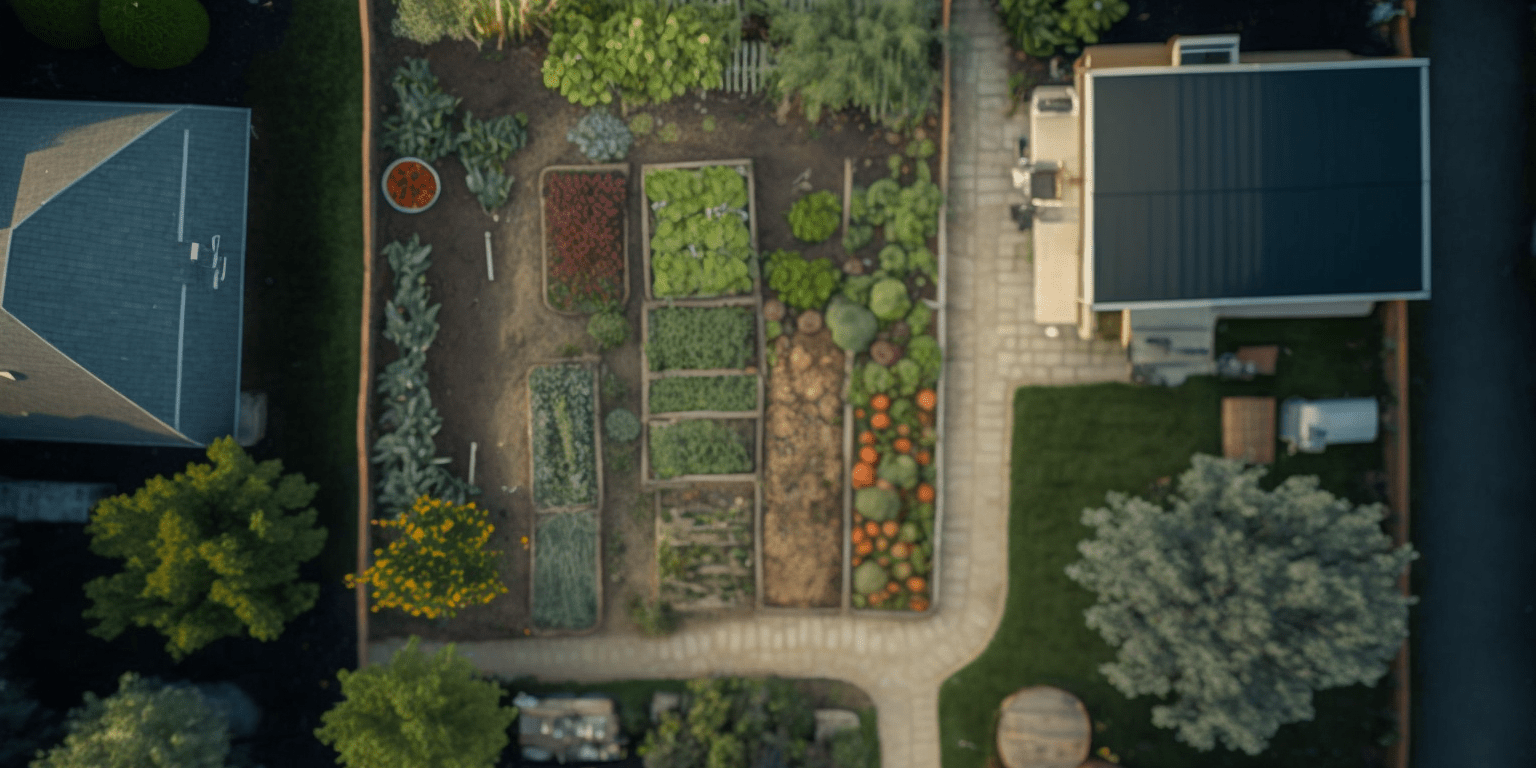
While ornamental trees can certainly add beauty to your outdoor space, have you ever considered the benefits of a food forest? A food forest is a type of edible landscape that mimics the structure and function of a natural forest ecosystem. It can provide a variety of edible fruits, nuts, and vegetables while also providing environmental benefits. In this blog post, we will discuss why you should consider a food forest instead of ornamental trees for your landscape redesign.
What is a food forest?
A food forest is a type of edible landscape that mimics the structure and function of a natural forest ecosystem. It typically includes fruit and nut trees, berry bushes, herbs, and edible perennials. Unlike a traditional vegetable garden, a food forest requires less maintenance because the plants are arranged in layers, with taller trees providing shade and support for smaller plants below.
Benefits of a food forest
There are several benefits to creating a food forest in your outdoor space. One of the biggest benefits is the abundance of fresh, organic produce that you can harvest throughout the year. A food forest can also improve soil health and biodiversity, reduce water usage, and provide a habitat for beneficial insects and wildlife.
Ornamental trees vs. food forest
While ornamental trees can certainly add beauty to your outdoor space, they do not provide the same benefits as a food forest. Ornamental trees do not produce edible fruit or nuts, and they typically do not support as much biodiversity as a food forest. Additionally, ornamental trees often require more maintenance, such as pruning and pest control.
How to create a food forest
Creating a food forest requires careful planning and design. It’s important to choose the right mix of trees, shrubs, and perennials that will thrive in your climate and soil conditions. You should also consider the layout of your space and how the different layers of the food forest will interact with each other. It’s important to choose plants that will complement each other and not compete for resources.
In conclusion, a food forest is a great option for those who want to create an edible landscape that is not only beautiful but also sustainable and environmentally friendly. While ornamental trees can certainly add beauty to your outdoor space, they do not provide the same benefits as a food forest. By creating a food forest, you can enjoy fresh, organic produce throughout the year while also supporting soil health, biodiversity, and beneficial insects and wildlife.
#foodforest #landscaperedesign #ediblelandscape #organicproduce #soilhealth #biodiversity #beneficialinsects #wildlife #ornamentaltrees #sustainable
Thank you for taking the time to read our blog post. We hope that it has provided you with valuable insights and information. If you are passionate about sustainable food production and interested in creating your own food forest, we invite you to consider working with us. Our team of experienced professionals is dedicated to providing top-quality food forest design and installation services. We are also grateful for any support you can offer us in our mission to create more resilient and regenerative food systems. Please don’t hesitate to contact us if you have any questions or if you would like to explore working together. Let’s build a greener, more sustainable future together!