
Community Fresh Food Farm Banks will bring about far-reaching benefits that positively impact everyone in the community
In recent years, a transformative idea has been taking root across communities: the concept of transforming traditional food banks into neighborhood farm banks. This innovative approach involves producing fresh, healthy fruits, vegetables, eggs, and other foods within the communities they serve. Beyond addressing immediate food insecurity, this concept holds the potential to bring about far-reaching benefits that positively impact everyone in the community. Let’s delve into why this transition can usher in a new era of community well-being.
From fostering biodiversity to addressing food equity, these Farm Banks lead the way to improved health and lower healthcare costs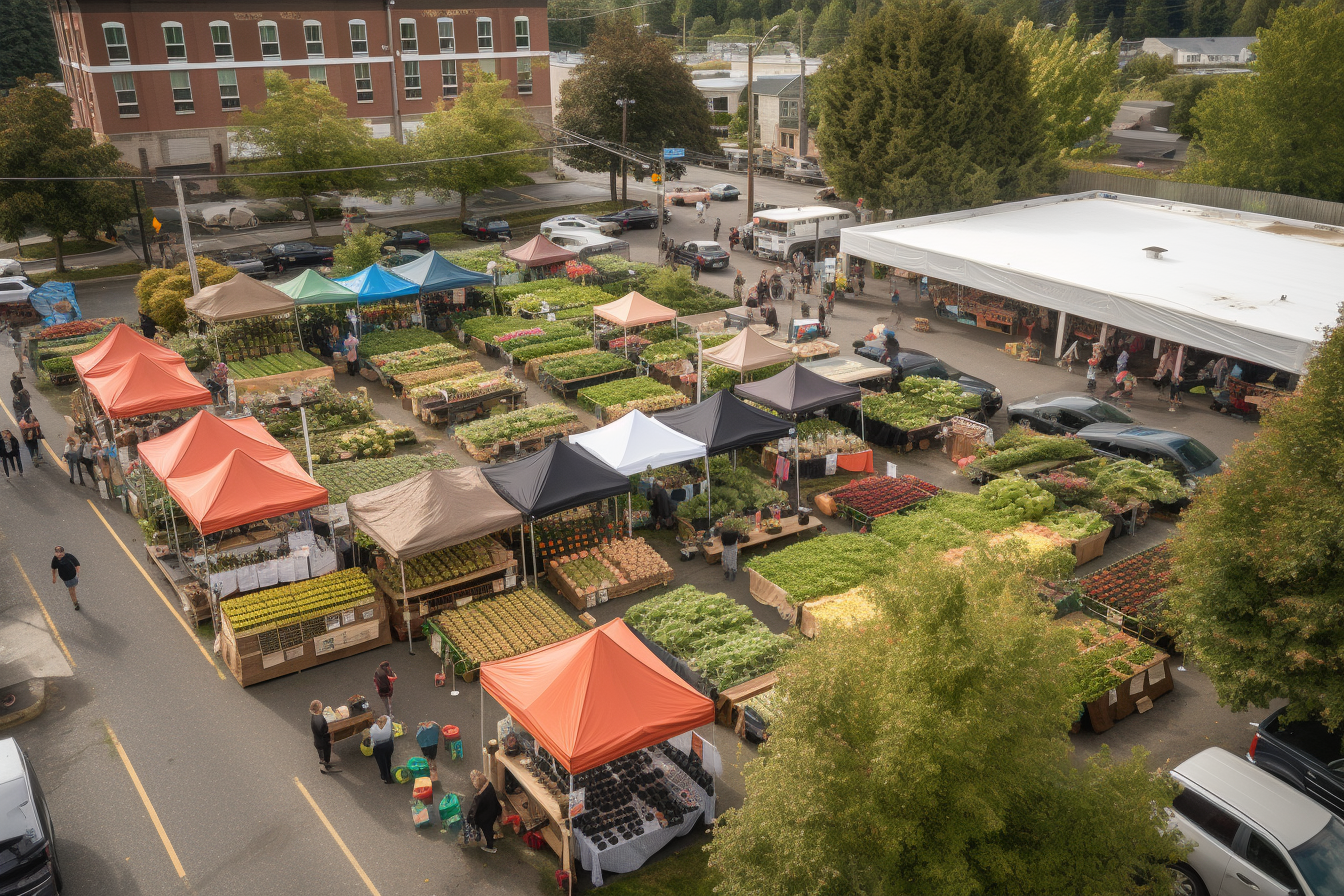
1. Nourishing with Nutrient-Rich Foods:
Traditional food banks often rely on non-perishable items, which may lack the nutritional value necessary for a balanced diet. By shifting towards neighborhood farm banks, communities gain access to locally grown, nutrient-rich foods. Fresh produce and eggs offer essential vitamins, minerals, and antioxidants that contribute to improved health, especially for individuals facing food insecurity.
2. Promoting Health and Preventing Illness:
A diet rich in fresh fruits, vegetables, and eggs is linked to a reduced risk of chronic diseases such as heart disease, diabetes, and obesity. By providing access to these foods, neighborhood farm banks actively contribute to improved community health. This preventative approach not only benefits individuals but also reduces healthcare costs for the community at large.
3. Fostering Food Sovereignty:
Neighborhood farm banks empower communities to take control of their food supply. By cultivating their own produce and resources, communities become less dependent on external sources. This sense of food sovereignty strengthens resilience in the face of economic challenges or disruptions in the food distribution chain.
4. Strengthening Community Bonds:
The shift from traditional food banks to neighborhood farm banks encourages community engagement and collaboration. Residents come together to grow, harvest, and share in the process of food production. This shared effort fosters a sense of belonging and camaraderie, creating a stronger and more connected community.
5. Teaching Sustainable Practices:
Neighborhood farm banks offer educational opportunities for all ages. Individuals can learn about sustainable farming practices, gardening techniques, and the importance of local food production. This knowledge not only empowers community members to contribute to the food bank but also equips them with valuable skills for self-sufficiency.
6. Boosting Economic Resilience:
By producing their own food, communities can redirect resources that would have been spent on purchasing groceries toward other needs. This economic relief can have a positive impact on families’ financial well-being and reduce the strain on social assistance programs.
7. Enhancing Environmental Sustainability:
Neighborhood farm banks often prioritize sustainable and regenerative farming practices. This commitment to environmental stewardship includes minimizing chemical inputs, promoting biodiversity, and reducing carbon emissions associated with food transportation. The positive impact on the environment benefits the entire community.
8. Empowering Local Economies:
As neighborhood farm banks flourish, they create opportunities for local farmers, gardeners, and entrepreneurs to contribute to the production and distribution of fresh food. This cycle of support bolsters the local economy and stimulates job growth within the community.
Conclusion:
The evolution from traditional food banks to neighborhood farm banks represents a transformative shift that extends beyond food provision. By producing fresh, healthy foods within the community, these initiatives promote health, resilience, education, and unity. The ripple effects of neighborhood farm banks touch everyone in the community, fostering a shared commitment to well-being and a sustainable future. As more communities embrace this approach, the potential for positive change becomes boundless, nourishing both individuals and the collective spirit.