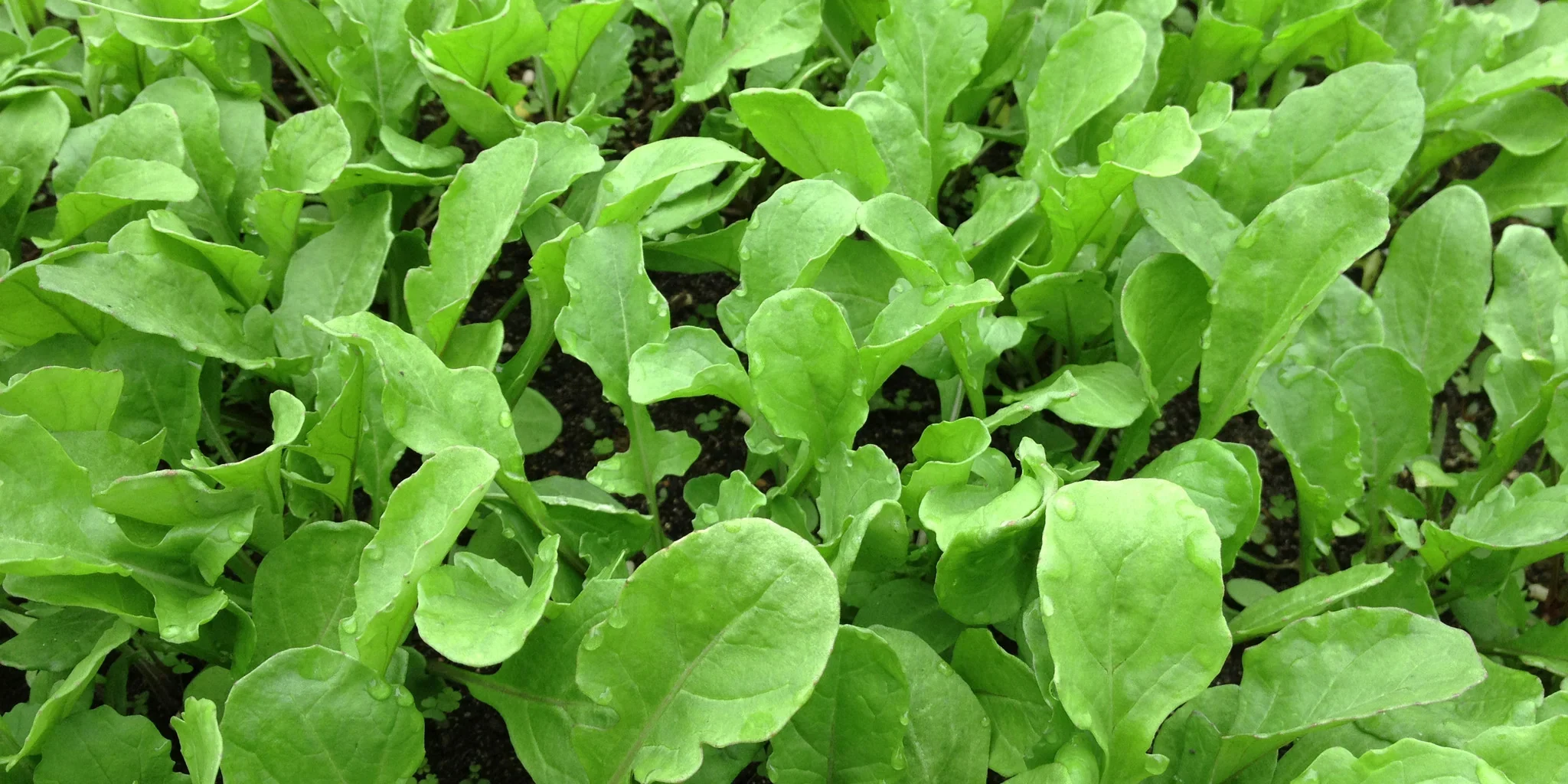
When it comes to leafy greens, arugula often doesn’t get the spotlight it deserves. While spinach and kale usually steal the show, arugula, also known as rocket, has been quietly packing a punch in salads, sandwiches, and dishes all around the world. With its peppery flavor and impressive nutritional profile, this leafy green is a must-add to your diet. Let’s dive into the health benefits and nutrition of this powerhouse leafy green called arugula and discover why it’s time to give this vibrant veggie a prime spot on your plate.
Arugula: The Leafy Green Powerhouse You Need in Your Diet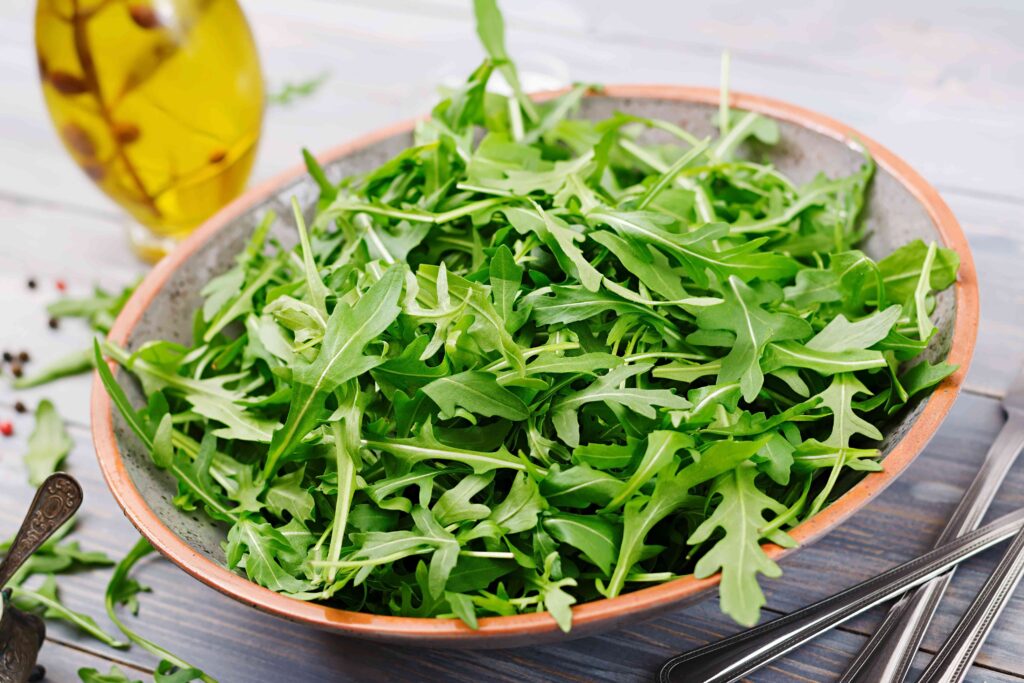
SEO Meta-Description
Discover the incredible health benefits and nutrition of this powerhouse leafy green called arugula. Learn how it boosts your health, ways to enjoy it, and why it’s a must-have in your diet.
Introduction
When it comes to leafy greens, arugula often doesn’t get the spotlight it deserves. While spinach and kale usually steal the show, arugula, also known as rocket, has been quietly packing a punch in salads, sandwiches, and dishes all around the world. With its peppery flavor and impressive nutritional profile, this leafy green is a must-add to your diet. Let’s dive into the health benefits and nutrition of this powerhouse leafy green called arugula and discover why it’s time to give this vibrant veggie a prime spot on your plate.
Nutritional Profile of Arugula
Loaded with Vitamins and Minerals
Arugula is a nutritional dynamo. Just a single cup of raw arugula contains a significant amount of vitamins and minerals, making it a superb choice for those looking to boost their nutrient intake without piling on the calories. Here’s a quick rundown of what you can expect from this leafy green:
- Vitamin K: Essential for bone health and blood clotting.
- Vitamin A: Vital for vision, immune function, and skin health.
- Vitamin C: An antioxidant that aids in the repair of tissues and enzymatic production of certain neurotransmitters.
- Folate: Crucial for cell division and DNA synthesis.
- Calcium: Important for bone health and muscle function.
- Potassium: Helps maintain fluid balance and is vital for nerve and muscle function.
Low in Calories, High in Fiber
Despite its dense nutritional profile, arugula is incredibly low in calories. A cup of arugula has only about 5 calories, making it an ideal food for weight management. Additionally, arugula is high in fiber, which can aid digestion, help control blood sugar levels, and keep you feeling full longer.
Health Benefits of Arugula
1. Boosts Immune Function
Thanks to its high vitamin C content, arugula can help strengthen your immune system. Vitamin C is known for its role in protecting the body against infection by stimulating the production and function of white blood cells.
2. Supports Bone Health
Arugula is a great source of vitamin K, which is essential for bone health. Vitamin K helps in the regulation of calcium, a mineral necessary for bone formation and maintenance. Regular consumption of vitamin K-rich foods like arugula can help reduce the risk of osteoporosis and bone fractures.
3. Promotes Eye Health
The high levels of vitamin A in arugula are beneficial for maintaining good vision. Vitamin A helps protect the cornea and is essential for good night vision. Including arugula in your diet can help prevent age-related macular degeneration and other eye conditions.
4. Aids Digestion
Arugula is high in fiber, which is essential for digestive health. Fiber helps to add bulk to stools, facilitating their passage through the digestive tract and reducing the likelihood of constipation. It also promotes a healthy gut microbiome by acting as a prebiotic, providing food for beneficial gut bacteria.
5. May Reduce the Risk of Cancer
Cruciferous vegetables like arugula contain compounds called glucosinolates, which have been shown to have cancer-fighting properties. These compounds help protect cells from DNA damage, inactivate carcinogens, and have anti-inflammatory effects. Regular consumption of arugula may help reduce the risk of certain types of cancer, including breast, prostate, lung, and colorectal cancer.
6. Supports Heart Health
Arugula is rich in antioxidants, which help combat oxidative stress and reduce inflammation in the body. Its high potassium content helps regulate blood pressure by counteracting the effects of sodium. Additionally, the fiber in arugula can help lower cholesterol levels, reducing the risk of heart disease.
How to Incorporate Arugula into Your Diet
Salads and More
Arugula’s peppery taste makes it a versatile ingredient in a variety of dishes. Here are some delicious ways to enjoy this leafy green:
- Salads: Toss arugula with cherry tomatoes, cucumbers, and a light vinaigrette for a refreshing salad.
- Pasta: Mix arugula into your pasta dishes for a nutrient boost and a pop of color.
- Sandwiches: Add arugula to your sandwiches and wraps for a crunchy, peppery kick.
- Pizzas: Sprinkle fresh arugula on top of your pizza after baking for a vibrant, fresh flavor.
- Smoothies: Blend arugula into your green smoothies for an extra dose of vitamins and minerals.
Cooking Tips
While arugula is most commonly enjoyed raw, it can also be cooked. Here are a few tips:
- Sautéing: Lightly sauté arugula with garlic and olive oil for a quick and nutritious side dish.
- Soups and Stews: Stir arugula into soups and stews just before serving to wilt it slightly while preserving its nutrients.
- Egg Dishes: Add arugula to omelets, frittatas, or scrambled eggs for a flavorful and nutritious addition.
FAQs About Arugula
Is Arugula Safe to Eat Raw?
Absolutely! Arugula is safe to eat raw and is often used in salads and as a garnish. Just be sure to wash it thoroughly to remove any dirt or pesticides.
How Should I Store Arugula?
To keep arugula fresh, store it in the refrigerator. Place it in a plastic bag with a paper towel to absorb excess moisture, which can cause the leaves to wilt. It’s best to use arugula within a few days of purchase for optimal freshness.
Can I Grow Arugula at Home?
Yes, you can! Arugula is relatively easy to grow at home. It thrives in cool weather and can be grown in pots or directly in the garden. Ensure it gets plenty of sunlight and water it regularly.
Does Arugula Have Any Side Effects?
Arugula is generally safe for most people. However, because it is high in vitamin K, it can interfere with blood-thinning medications like warfarin. If you’re on such medications, consult your doctor before increasing your arugula intake.
Conclusion
Arugula is more than just a garnish; it’s a nutrient-packed leafy green that offers a plethora of health benefits. From boosting your immune system and supporting bone health to aiding digestion and potentially reducing the risk of cancer, this powerhouse veggie deserves a regular spot in your diet. With its peppery flavor and versatility, incorporating arugula into your meals can be both delicious and nutritious. So next time you’re at the grocery store, don’t overlook this vibrant green—your body will thank you!
Whether you’re adding it to salads, blending it into smoothies, or using it to top your pizza, the health benefits and nutrition of this powerhouse leafy green called arugula are undeniable. Make arugula a staple in your kitchen and reap the rewards of this fantastic green. Happy eating!
#Arugula #LeafyGreens #HealthyEating #Nutrition #Superfood