Attention Minnesota landowners! Do you have unused land that could be doing more for you and the environment? We specialize in turning idle landscapes into lush, self-sustaining food forests that not only benefit the ecosystem but also generate revenue with minimal maintenance.
Minnesota, with its rich soil and diverse climate, offers a unique opportunity for landowners to convert unused land into something truly remarkable. Imagine turning that patch of idle ground into a lush, thriving ecosystem that not only boosts the environment but also puts money in your pocket with minimal effort. Sounds too good to be true? It’s not!
Why a Food Forest?
Benefits to the Environment
Creating a food forest isn’t just about planting a few trees and hoping for the best. It’s a deliberate approach to mimic natural ecosystems, promoting biodiversity and sustainability. Here are some ways a food forest benefits the environment:
- Improves Soil Health: Through natural processes, your land will see an increase in soil fertility, reducing the need for chemical fertilizers.
- Enhances Biodiversity: A variety of plants attract different wildlife, supporting local fauna and creating a balanced ecosystem.
- Reduces Carbon Footprint: Trees and plants absorb carbon dioxide, helping combat man-made climate issues.
Economic Benefits
Now, let’s talk money. Transforming your land can also be financially rewarding. Here’s how:
- Low Maintenance: Once established, food forests require minimal intervention, saving you time and labor costs.
- Revenue Generation: Produce from your food forest can be sold locally or used to reduce personal grocery bills.
- Increased Property Value: A well-maintained food forest can enhance your property’s market value.
How to Get Started
Assess Your Land
The first step is to understand what you’re working with. Consider the size, soil quality, and existing vegetation.
- Soil Testing: Get a soil test to determine pH levels and nutrient content.
- Climate Considerations: Note the local climate patterns. Minnesota’s seasons can be quite variable.
- Water Availability: Ensure you have a reliable water source, as young plants need regular watering.
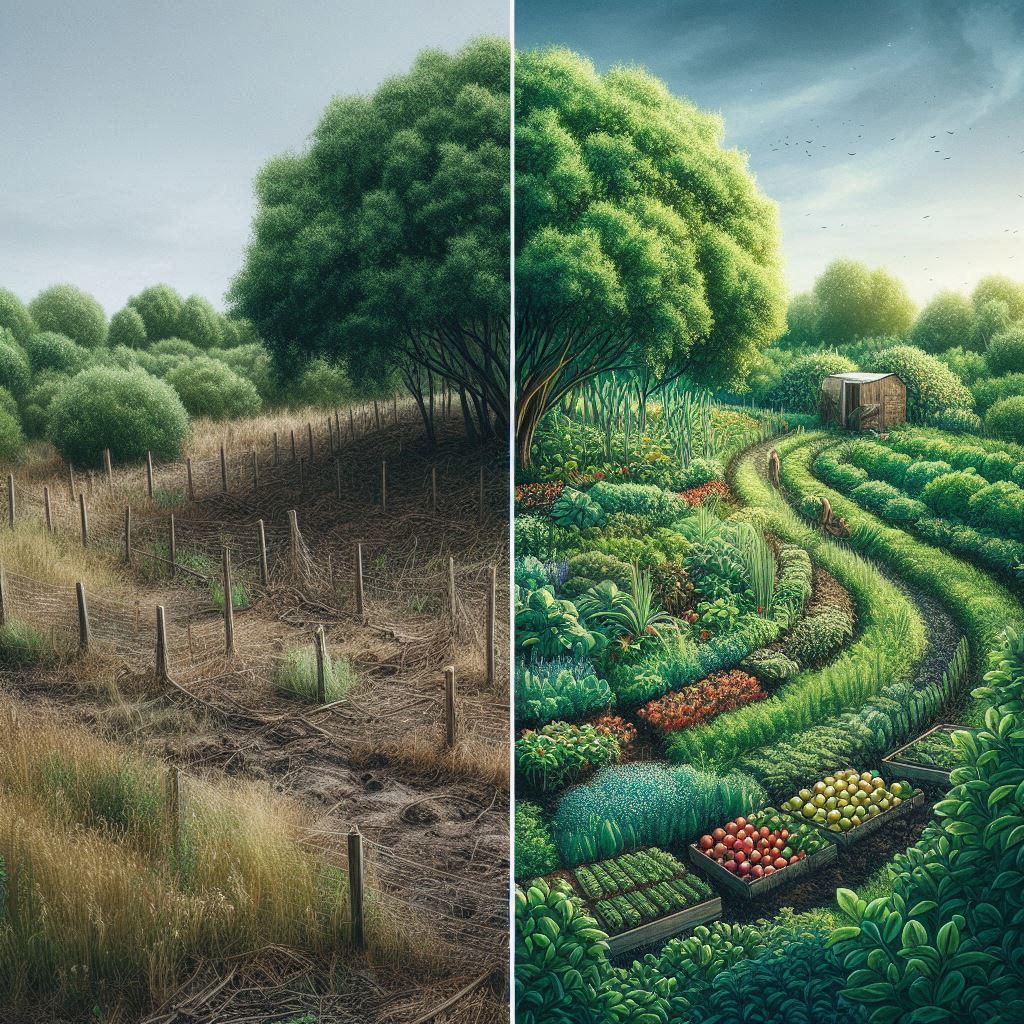
Planning Your Food Forest
With the assessment done, it’s time to plan. A good design considers multiple layers of vegetation that can coexist harmoniously. Here’s a basic structure:
- Canopy Layer: Tall trees like chestnuts or apples.
- Understory Trees: Smaller trees such as hazelnuts or plums.
- Shrubs: Berries, currants, and gooseberries.
- Herbaceous Layer: Herbs and vegetables like kale and chives.
- Ground Cover: Clover or creeping thyme.
- Root Layer: Root vegetables such as carrots and beets.
- Vines: Grapes or kiwis that can grow up trees or trellises.
Planting and Maintenance
Once your plan is set, it’s time to get your hands dirty. Here’s a step-by-step guide:
- Prepare the Soil: Amend it based on your soil test results. Compost and organic matter are your best friends.
- Planting: Start with the trees and work your way down to the ground cover.
- Mulching: Mulch heavily to retain moisture and suppress weeds.
- Watering: Regular watering is crucial in the first year.
- Monitoring: Keep an eye on plant health and pest activity. Use natural pest control methods.
Case Study: A Successful Transformation
Let’s take a look at an example. John and Sarah, a couple from southern Minnesota, had 5 acres of unused land. After consulting with our experts, they decided to transform their property into a food forest. Here’s what happened:
- Year 1: Soil was tested and amended. Trees were planted in spring.
- Year 2: Shrubs, herbs, and ground cover were added. Minimal maintenance was required.
- Year 3: The food forest started to yield produce. John and Sarah sold excess fruits and herbs at the local farmers’ market, covering initial costs and then some.
- Year 5: The forest is now self-sustaining, requiring only seasonal maintenance. The couple enjoys fresh produce year-round and has seen a significant increase in their property’s value.
Common Questions
What is a Food Forest?
A food forest is a diverse planting of edible plants that mimics the natural ecosystems and layers of a forest. It includes trees, shrubs, herbs, vines, and ground cover plants that all contribute to a self-sustaining system.
How Much Maintenance is Required?
Initially, a food forest requires regular maintenance, including watering, weeding, and monitoring plant health. However, once established, it largely takes care of itself with minimal intervention.
Can I Do This on a Small Plot of Land?
Absolutely! While larger plots offer more opportunities for diversity, even small urban plots can be transformed into productive food forests.
What Plants Should I Choose for Minnesota?
Select plants that are native or well-adapted to Minnesota’s climate. Examples include apples, cherries, hazelnuts, elderberries, and perennial vegetables like asparagus and rhubarb.
Conclusion
Turning your idle land into a thriving garden of Eden is not only possible but also beneficial for you and the environment.
With the right planning and a bit of effort, you can create a self-sustaining paradise that provides fresh produce, supports local wildlife, and enhances the beauty and value of your property. So, what are you waiting for? Dive in and start transforming your land today!
Contact us today to learn how you can plant for profit or Book your strategy session today!
#TransformLand #ThrivingGarden #MinnesotaLandowners #UnusedLand #FoodForests #Sustainability #RevenueGeneration #MinimalMaintenance