Creating a Sustainable Future One Tree and Shrub at a Time
As the world becomes increasingly urbanized, cities are facing a growing need to develop sustainable and resilient communities. One way to address this need is by creating regenerative neighborhoods that produce all of their food locally. A key component of this vision is replacing ornamental trees with food-producing trees, bushes, and shrubs.
The concept of regenerative landscapes is not new, but it is gaining traction as more people recognize the importance of building sustainable communities. Regenerative landscapes are designed to mimic natural ecosystems, using regenerative agriculture practices to create healthy soil, promote biodiversity, and sequester carbon. By producing food locally, these neighborhoods reduce their reliance on distant food sources and support local agriculture.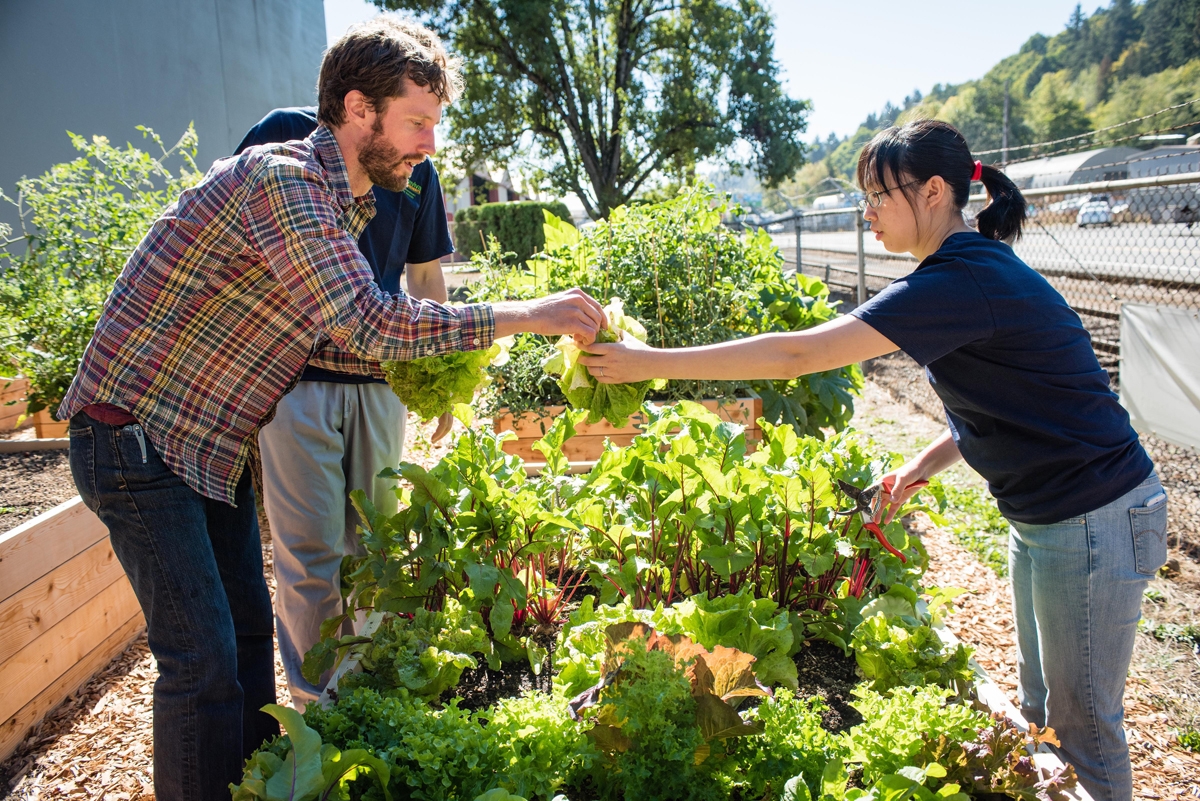
Replacing ornamental trees with food-producing trees, bushes, and shrubs is a key part of this vision. Ornamental trees provide aesthetic value, but they offer little in the way of ecological benefits. In contrast, food-producing trees and shrubs offer a wide range of benefits, including:
Local food production: Food-producing trees and shrubs can provide a significant amount of food for residents, reducing their reliance on distant food sources and supporting local agriculture.
Biodiversity: Food-producing trees and shrubs can support a wide range of pollinators and other wildlife, promoting biodiversity in the community.
Carbon sequestration: Trees and shrubs are effective at sequestering carbon, helping to mitigate the impacts of climate change.
Soil health: Food-producing trees and shrubs can help to improve soil health by providing organic matter and nutrients to the soil.
Water conservation: Trees and shrubs can help to conserve water by reducing the amount of runoff and increasing the infiltration of rainwater into the soil.
Creating regenerative neighborhoods with food-producing trees and shrubs requires a shift in our approach to urban design. Instead of prioritizing ornamental value, we need to prioritize ecological value and food production. This can be achieved through a variety of strategies, including:
Community gardens: Community gardens provide a space for residents to grow their own food and learn about sustainable agriculture practices.
Urban agriculture: Urban agriculture can be integrated into public spaces, such as parks and plazas, providing a source of fresh, local food for residents.
Tree planting programs: Cities can launch tree planting programs that prioritize food-producing trees and shrubs, such as fruit trees and berry bushes.
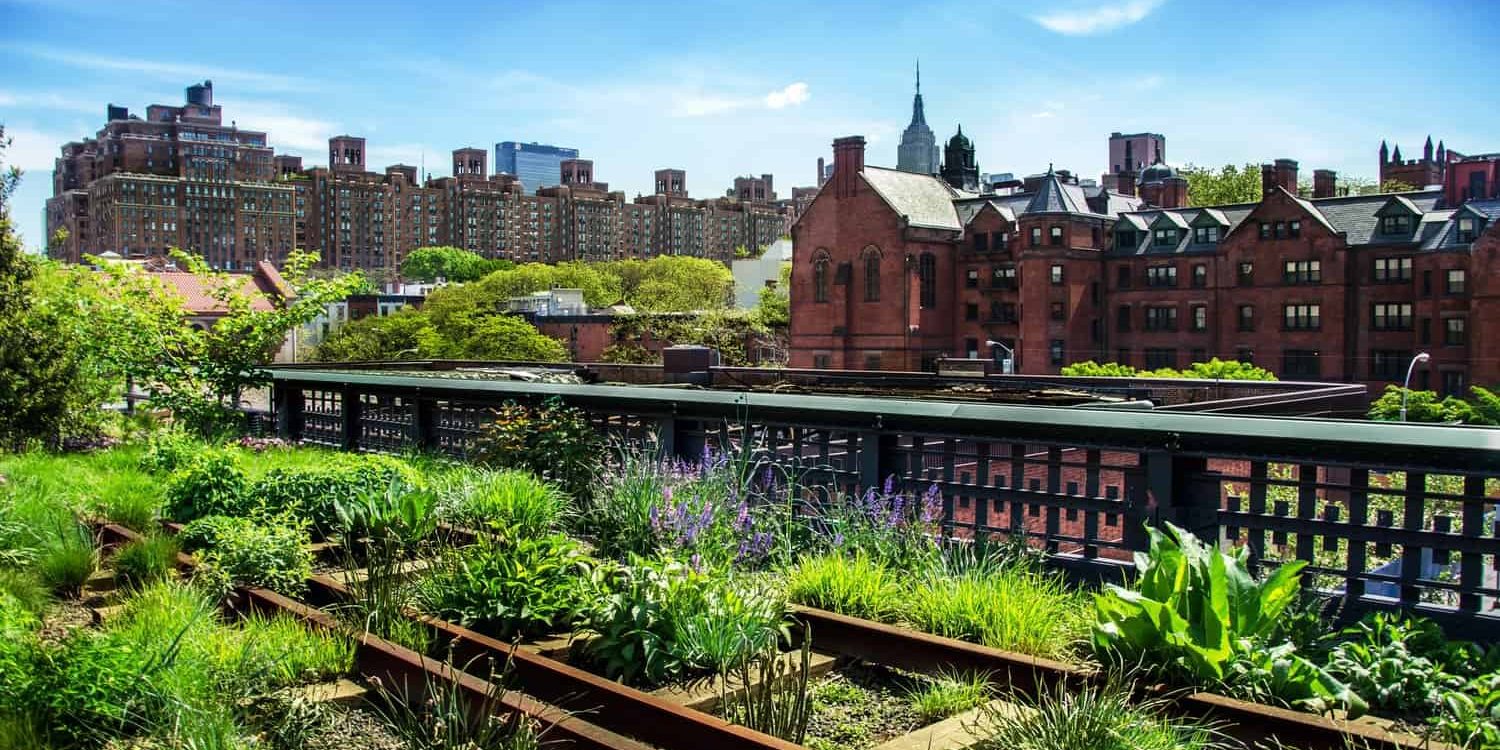
Green roofs and walls: Green roofs and walls can be used to grow food-producing plants, providing a source of fresh, local food in densely populated urban areas.
Creating regenerative neighborhoods with food-producing trees and shrubs is a bold vision for the future of urban design. By prioritizing ecological value and local food production, we can build more sustainable and resilient communities that are better equipped to face the challenges of the 21st century.