Discover the numerous benefits of investing in regenerative agriculture and how it can transform our food system for a healthier, sustainable future.
Regenerative agriculture is an agricultural system that prioritizes the health of the soil, the biodiversity of the ecosystem, and the well-being of the communities that depend on it. It is a holistic approach that aims to regenerate, rather than degrade, the land. One of the key components of regenerative agriculture is the use of food-producing landscapes, which not only produce healthy, sustainable food but also provide a range of other benefits.
Investing in regenerative food-producing landscapes has become increasingly important as we face challenges such as climate change, food insecurity, and loss of biodiversity. In this context, it is crucial to recognize the many benefits that regenerative agriculture can provide and to invest in this approach to support a healthier and more sustainable future. 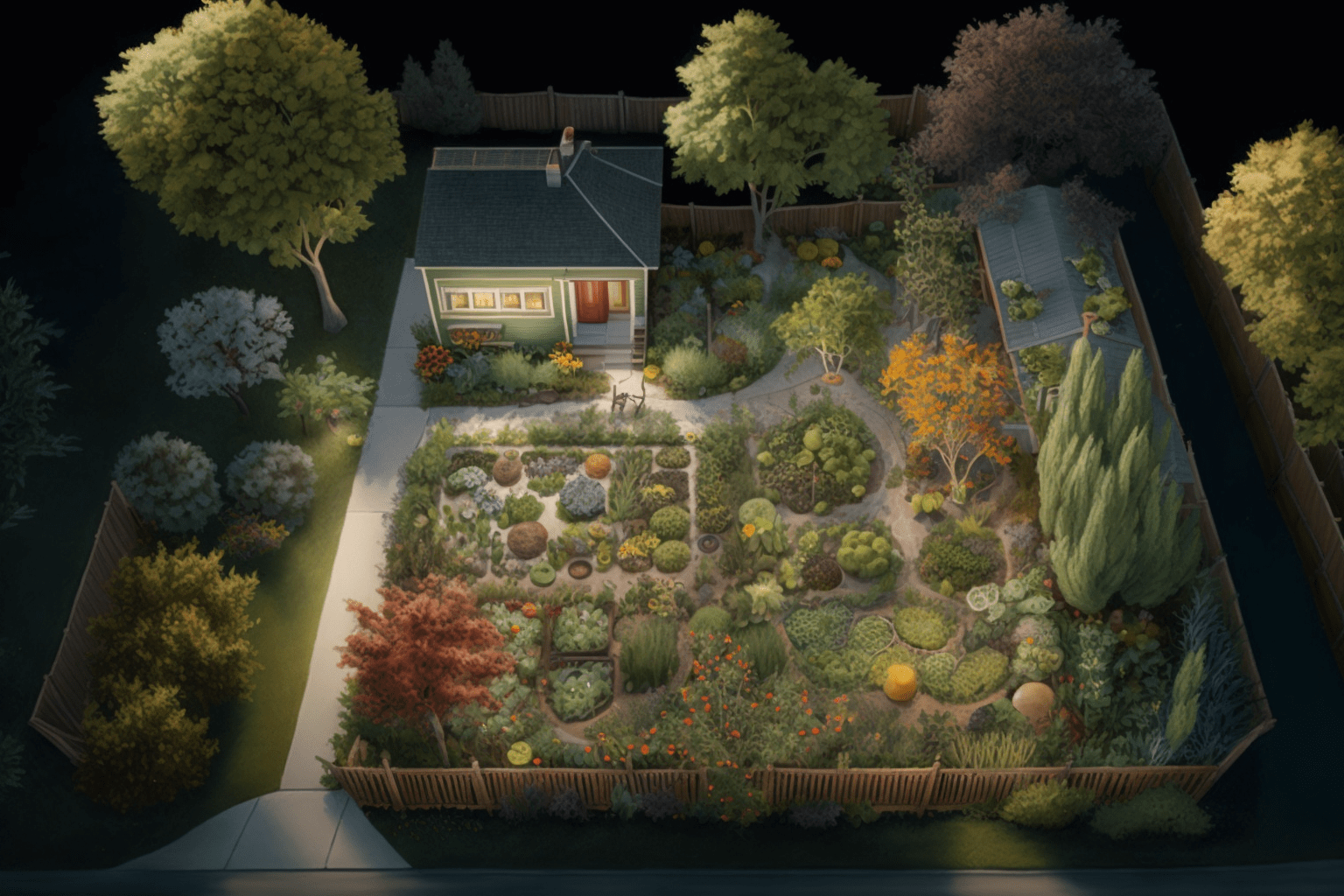
In this article, we will discuss the top 10 reasons why investing in regenerative food-producing landscapes is a wise choice, including environmental sustainability, soil regeneration, food security, and more. By understanding these benefits, we can work towards a more sustainable and resilient food system that supports both people and the planet.
Conclusion: Investing in regenerative food-producing landscapes is a crucial step towards a more sustainable and resilient food system. By prioritizing the health of the soil, the biodiversity of the ecosystem, and the well-being of communities, regenerative agriculture offers a holistic approach that can address many of the challenges we face today, including climate change, food insecurity, and loss of biodiversity.
As we have discussed, there are numerous benefits to investing in regenerative food-producing landscapes, from environmental sustainability and soil regeneration to food freedom and economic viability. By supporting regenerative agriculture, we can create a more sustainable and equitable food system that supports all people and the planet.
Ultimately, investing in regenerative food-producing landscapes is an investment in the future. By prioritizing the health of the land and the well-being of communities, we can create a more resilient and sustainable food system that can support us for generations to come.
1