Empowering Future Generations through Self-Sustainability Education in Schools
Introduction: In today’s world, where climate change, resource depletion, and environmental degradation are becoming major concerns, it is crucial to equip our children with the knowledge and skills necessary to live sustainably. Self-sustainability is the ability to meet one’s needs without relying on external sources, and it encompasses everything from growing food to using renewable energy sources. In this article, we will discuss the top 10 reasons why children should be learning about self-sustainability in school.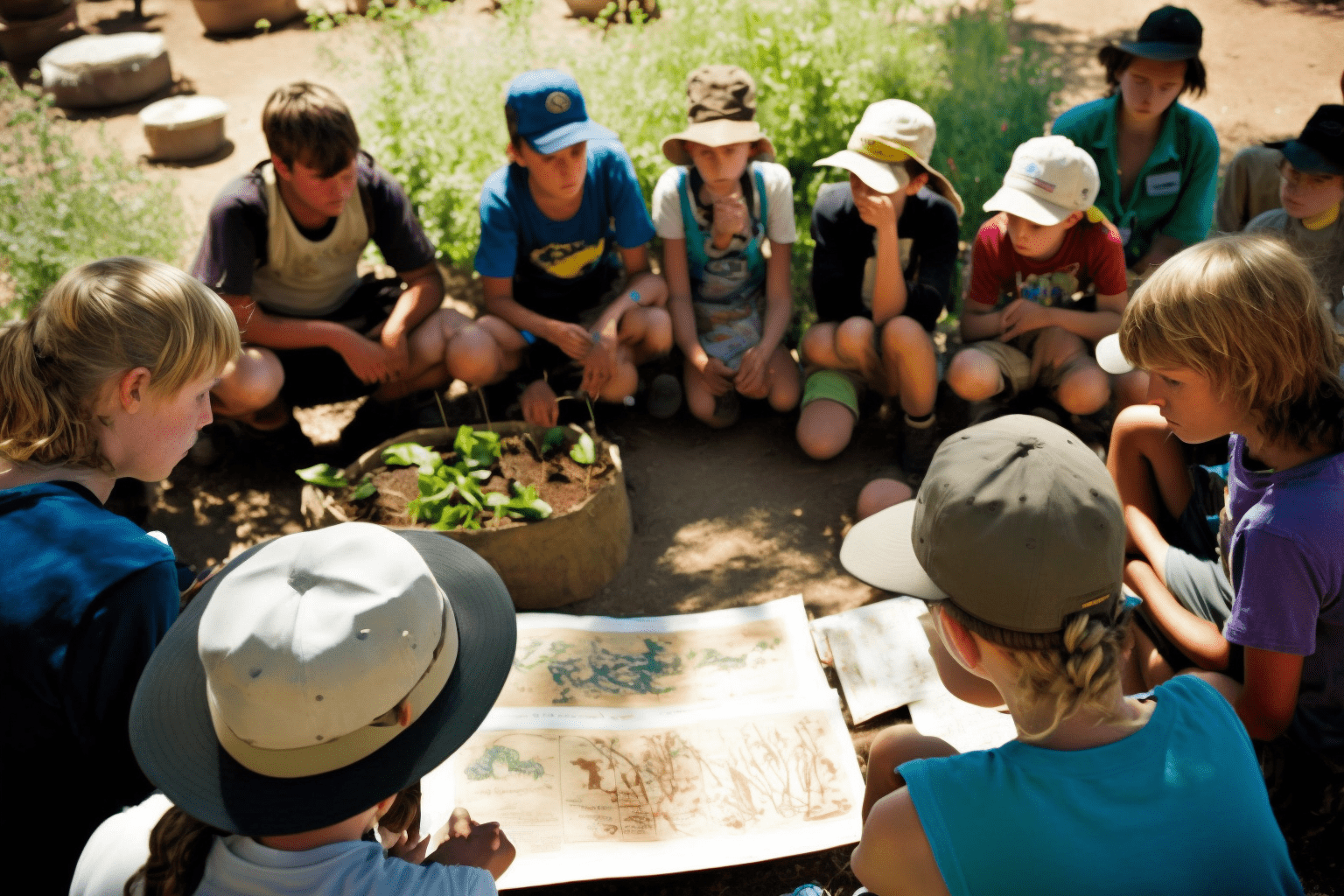
• Develops Essential Life Skills: Learning about self-sustainability in elementary school can teach children essential life skills such as gardening, composting, and food preservation, which can help them become more self-sufficient in the future.
• Fosters a Connection to Nature: Learning about sustainability can help children develop a deeper connection to nature and appreciate the importance of environmental conservation.
• Encourages Healthy Habits: Children who learn about self-sustainability are more likely to develop healthy habits such as eating a balanced diet, being physically active, and spending time outdoors.
• Teaches Responsibility: Learning about self-sustainability can teach children the importance of taking responsibility for their actions and their impact on the environment.
• Promotes Critical Thinking: Self-sustainability involves problem-solving, critical thinking, and decision-making skills, which are important for children to develop.
• Builds Resilience: Children who learn about self-sustainability develop resilience by learning to adapt to changes and challenges that arise in the natural environment.
• Supports Social and Emotional Learning: Self-sustainability activities can provide opportunities for children to work together, communicate effectively, and build social and emotional skills.
• Promotes Creativity: Learning about self-sustainability can encourage creativity and innovation as children explore different ways to grow and produce their own food.
• Helps Children Connect with Their Community: Self-sustainability activities can provide opportunities for children to connect with their community, such as participating in a community garden or volunteering at a local food bank.
• Prepares Children for the Future: Learning about self-sustainability prepares children for a future where sustainable living practices will be increasingly important for their own well-being and that of the planet
Conclusion: Learning about self-sustainability in school can empower children to become active agents of change and make a positive impact on the environment, their communities, and their own lives. By teaching children the principles of self-sustainability, we can equip them with the knowledge and skills they need to create a more sustainable future for all.